
The face of the moon was in shadow
 What Are Power Modules and Why Do They Matter?
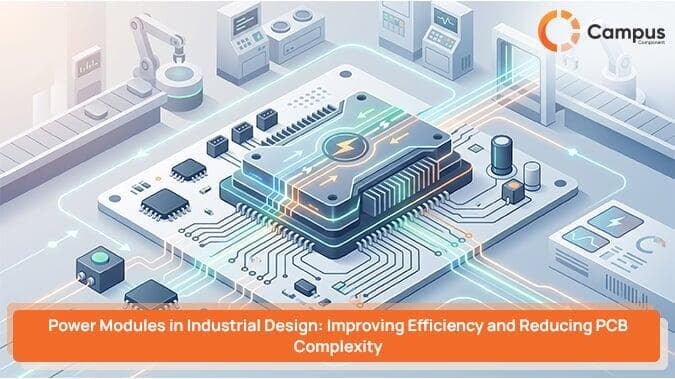
A power module is an integrated electronic component designed to convert, regulate or manage electrical power within a system. Depending on the application, this can include DC-DC power modules, AC-DC power modules and other power management solutions.
A typical module combines several functions that would otherwise require multiple discrete components. This can reduce the amount of circuitry required on a PCB while giving engineers a more predictable power solution.
Power modules are commonly used in:
Industrial controllers and automation equipment
Robotics and motor-control systems
Telecom and networking equipment
Medical and laboratory instruments
EV charging infrastructure
Renewable energy systems
Embedded and IoT devices
For industrial designers, the main advantage is not simply smaller component count. A well-selected module can make the entire power section easier to design, test and maintain.
How Power Modules Improve System Efficiency
Efficiency is an important consideration in industrial electronics because unnecessary power loss eventually becomes heat. Excessive heat can affect component performance, increase cooling requirements and reduce system reliability.
Modern industrial power modules are designed to provide efficient power conversion while maintaining stable output voltage under changing loads. They can help lower heat generation and improve the overall energy performance of equipment by reducing conversion losses.
For example, a DC-DC power module can efficiently step a higher input voltage down to the lower voltage required by a processor, sensor or communication circuit. This is particularly useful when several voltage rails are required within the same industrial system.
Power modules can also provide more consistent voltage regulation, helping protect sensitive electronics from unsuitable supply conditions. However, actual efficiency depends on the module, input and output conditions, load level and thermal environment, so engineers should evaluate the manufacturer's specifications rather than relying on a general efficiency figure.
Reducing PCB Complexity with Power Modules
One of the biggest benefits of using power modules is the reduction of discrete components around the power conversion stage.
A conventional power supply design may require a controller IC, MOSFETs, inductors, capacitors, diodes and other supporting components. An integrated module can combine several of these functions, reducing the amount of external circuitry required. This can provide a wide array of benefits such as:
Simpler PCB routing
Reduced board area
Faster prototyping
Fewer assembly points
Easier design validation
Potentially lower manufacturing complexity
A simpler PCB can also make troubleshooting easier because engineers have fewer individual components to evaluate within the power section.
For product teams working under tight development schedules, this can shorten the path from initial design to functional prototype.
How to Choose the Right Power Module
Choosing a power module should begin with the electrical and environmental requirements of the application rather than the component's price alone. Consider these factors:
Input and output voltage: Confirm that the module supports the required voltage range and regulation requirements.
Current and power rating: Select a module that can comfortably handle the expected continuous load and relevant transient conditions.
Efficiency: Compare efficiency across the expected operating range, not just at one test condition.
Thermal performance: Check operating temperature, heat dissipation requirements and available PCB cooling paths.
Physical size: Ensure the package fits the available PCB space without creating routing or thermal limitations.
Environmental requirements: Industrial equipment may face vibration, dust, humidity and wide temperature variations, so environmental specifications matter.
Compliance and reliability: Depending on the application, certifications, EMC performance and component lifecycle support may also influence selection.
Where Are Industrial Power Modules Used?
The flexibility of power modules makes them useful across many industrial sectors, which include:
In factory automation and robotics, they can provide regulated power to controllers, sensors, communication interfaces and other subsystems.
In telecommunications, power modules support networking equipment that requires stable operation over extended periods.
In medical and laboratory equipment, carefully selected power solutions can help maintain stable operation for sensitive electronic circuits while meeting applicable safety and compliance requirements.
They are also increasingly relevant to EV charging, renewable energy and industrial control systems, where efficient power conversion and thermal management are critical.
Campus Component supports engineers and manufacturers by providing access to industrial power modules, DC-DC converters, AC-DC power supplies and other electronic power components from established manufacturers.
The Bottom Line
Power modules in industrial design offer a practical way to improve power conversion, simplify PCB architecture and accelerate product development. They can reduce discrete component requirements while supporting efficient and reliable system operation by integrating important power functions into compact solutions.
However, the right module still depends on the voltage, current, thermal, environmental and compliance requirements of the application. Evaluating these factors early can help prevent redesigns and create a more reliable path from prototype to production.
Ready to simplify your industrial power design?
Explore reliable power modules and electronic components from Campus Component for industrial automation, embedded systems, EV infrastructure, telecom and other demanding applications. Contact the team to find a power solution that matches your project's electrical and design requirements.
FAQs:
1. How long can an industrial power module typically last?
A good-quality industrial power module can operate reliably for many years when used within its specified voltage, load and temperature limits. Actual lifespan depends heavily on operating and thermal conditions.
2. Can I replace a power module without redesigning the entire PCB?
Often, yes. If the new module matches the original's electrical specifications, dimensions and pin configuration, replacement may require little or no PCB modification. Always verify the manufacturer's specifications before making a replacement.
3. Are industrial power modules suitable for harsh operating environments?
Yes, many industrial-grade modules are designed for demanding conditions, including wide temperature ranges, vibration and humidity. The right choice depends on the environmental specifications of your particular application.
4. Do power modules help reduce EMI in industrial equipment?
They can. Some power modules incorporate filtering, optimized circuit layouts or shielding to help control electromagnetic interference. However, PCB layout and the overall system design still play an important role in achieving good EMI performance.
5. Which certifications should I check before choosing an industrial power module?
The required certifications depend on the application and target market. Depending on the product, engineers may need to consider standards and requirements related to UL, IEC, CE, RoHS, REACH and other applicable industry regulations.